Backflow Prevention
about backflow
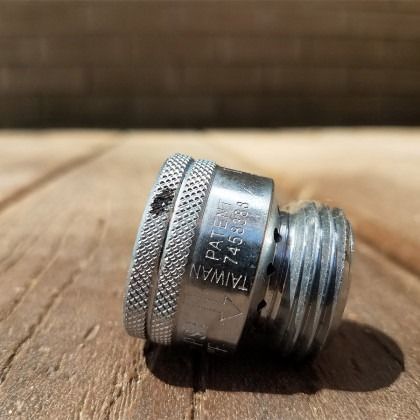
Protect hose connections with a backflow preventor such as a vacuum breaker. If your hose connection does not have one built in, no problem! Place a threaded vacuum breaker on your hose connection to protect against backflow. Threaded Vacuum Breakers are available at most hardware stores for a low cost, or you can
contact us to ask about a free vacuum breaker.
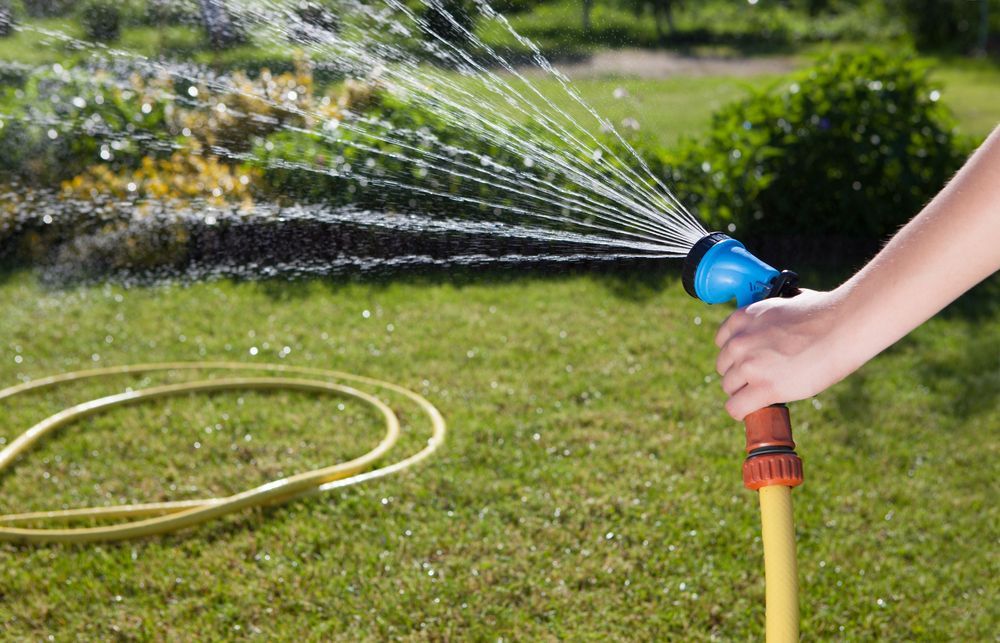
Water distribution systems are designed for water to flow in one direction, from the distribution system to the customer's water meter. Under certain conditions water can flow in the reverse direction. This is called backflow and this reversal flow in a water system is due to back-siphonage or back pressure. It can result in undesirable materials entering the municipal water system through a cross connection. Proper backflow prevention steps on your part will protect the water quality of our drinking water supply.
A cross connection
is any temporary or permanent connection between a potable (i.e. drinking) water system and a source of contamination (sewage, chemicals, gas, etc.). Check your home for potentially hazardous cross connections and make sure your lawn irrigation systems, hose connections, boiler systems and water softeners are all properly protected against backflow. Follow the steps below to make sure your home is protected.

Henry the Water Drop Says:
Don't let the hose run while washing your car. Use a bucket and a hose with a shut-off nozzle. Doing this could save 150 gallons of water!
Steps to Eliminate Residential Cross Connection Hazards
Protect hose connections with a backflow preventor such as a vacuum breaker.
Protect hose connections with a backflow preventor such as a vacuum breaker. If your hose connection does not have one built in, no problem! Place a threaded vacuum breaker on your hose connection to protect against backflow. Threaded Vacuum Breakers are available at most hardware stores for a low cost, or you can
contact us to ask about a free vacuum breaker.
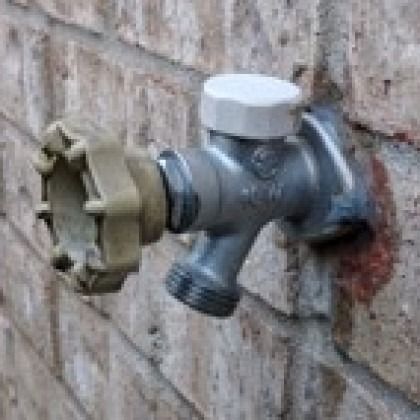


Test the backflow prevention devices at your home.
If you have a lawn irrigation system, it is required to have a backflow preventer on the water pipe that supplies water to the lawn irrigation system. Make sure your backflow prevention device is working by having the device tested regularly. The City of Kalamazoo - Protect Your Water recommends testing backflow devices on residential lawn irrigation systems no less than once every five years by a professional certified by the American Society of Sanitary Engineering in backflow prevention assembly testing. Other common residential hazards that require a testable backflow prevention device include sump pumps that are connected to the water supply and boiler systems with chemical additives.
Keep hoses or other faucets from being submerged.
Whether filling a pool or a soapy bucket to wash a car, be sure to not submerge the hose. In a backflow event this can cause contaminated, non-potable wash water, to flow back into the potable (drinking) water supply.
AVOID using pesticide or fertilizer spray applicator that connect to your hose or make sure the hose connection is protected with an approved backflow prevention device.
During a backflow event chemicals that are connected to the end of a hose can flow backward into the potable (drinking) water supply.
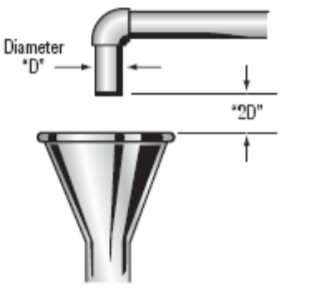
Make sure the discharge line from your water softener has a sufficient air gap from the receiving floor drain.
Eliminating this direct cross connection is important to making protecting potable (drinking) water from possible contaminants in the floor drain. The below represents a sufficient air gap.
Resources
City of Kalamazoo - Protect Your Water has the following to assist you in educating yourself and others.