
Proper Disposal
How to dispose of household waste to protect surface waters
Groundwater 101
Where does groundwater come from? The rain! Each year in Kalamazoo County we get an average of 34-36" of rain. Approximately 65% of the rain is lost to evapotranspiration, 25% infiltrates into the ground to become groundwater, and 10% runs off to surface water.
Proper disposal of household hazardous waste such as used motor oil, oil-based paint, cleaning solvents, anti-freeze, pesticides and herbicides, etc. is critical to prevent groundwater contamination and to protect surface waters. If these products are dumped on the ground they can seep down into the groundwater, contaminating our drinking water supply. Also, if these products are dumped into storm drains they will pollute area lakes, streams and rivers and affect the health of aquatic wildlife.

Henry the Water Drop Says:
Use fertilizers, pesticides and herbicides wisely. Also, seek alternative uses to chemicals by carefully selecting native plants which don't need a lot of water, pesticides or herbicides.
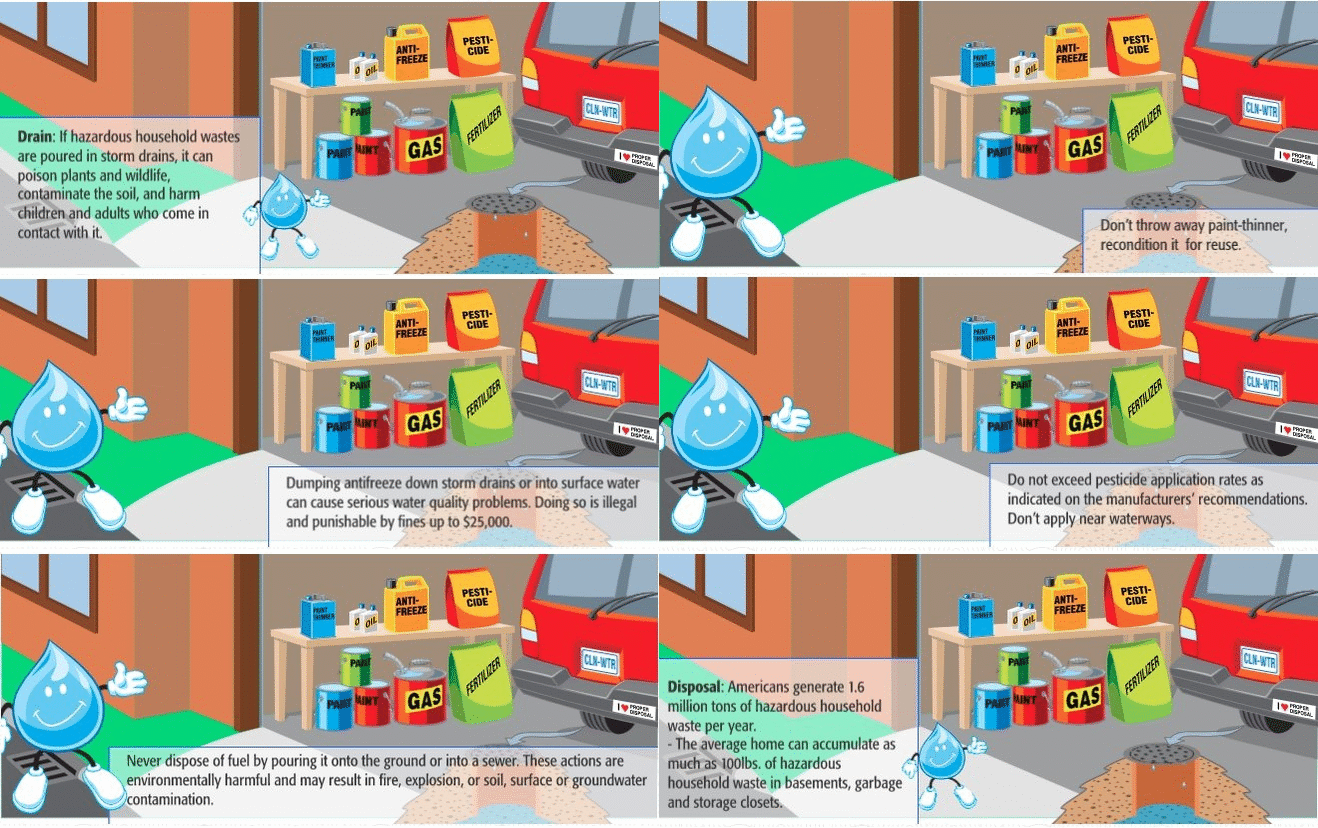
Drain
If hazardous household wastes are poured in storm drains, it can poison plants and wildlife, contaminate the soil, and harm children and adults who come in contact with it.
Sewer
Do not dump your hazardous household wastes! Contact the hazardous household waste hotline at 269.373.5211 for proper disposal.
Paint Thinner
Don't throw away paint thinner. Recondition it for re-use.
Oil
A one quart can of oil can contaminate 250,000 gallons of water.
AntiFreeze
Dumping antifreeze down storm drains or into surface water can cause serious water quality problems. Doing so is illegal and punishable by fines up to $25,000.
Pesticides
Do not exceed pesticide application rates as indicated on the manufacturers' recommendations. Don't apply near waterways.
Oil-based Paint
Never put oil-based paint in the trash or pour down the sink! It can lead to toxic environmental pollution and public health hazards.
Fuel
Never dispose of fuel by pouring it onto the ground or into a sewer. These actions are environmentally harmful and may result in fire, explosion, or soil, surface or groundwater contamination.
Fertilizer
Fertilizers promote algae growth in our waterways, so do not fertilize if rain is forecasted!
Disposal
Americans generate 1.6 million tons of hazardous household waste per year. The average home can accumulate as much as 100lbs. of hazardous household waste in basements, garbage and storage closets.
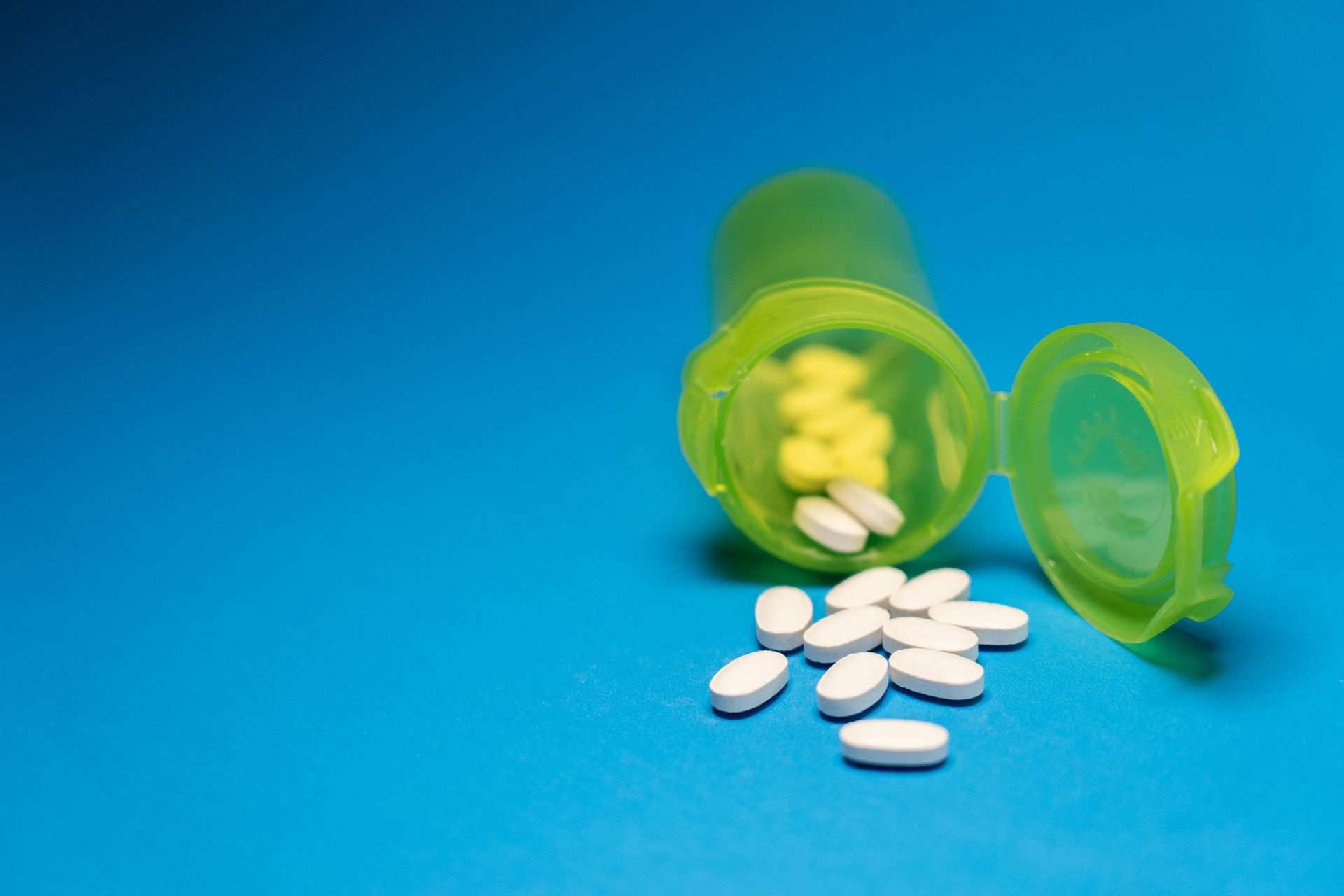
What should I do with my old prescription drugs?
To dispose of prescription drugs not labeled to be flushed, you may be able to also take advantage of community drug take-back programs, such as household hazardous waste collection events, that collect drugs at a central location for proper disposal. Call your city or county government's household trash and recycling service and ask if a drug take-back program is available in your community. In Kalamazoo County and some other neighboring communities, please contact the
Kalamazoo County Household Hazardous Waste Collection Center, 1301 Lamont Street, Kalamazoo at (269) 373-5211 to find out when the next collection event is scheduled or any other questions regarding the disposal of hazardous household chemicals.
If a drug take-back or collection program is not available:
- Take your prescription drugs out of their original containers.
- Mix drugs with an undesirable substance, such as cat litter or used coffee grounds.
- Put the mixture into a disposable container with a lid, such as an empty margarine tub, or into a sealable bag.
- Conceal or remove any personal information, including Rx number, on the empty containers by covering it with a black permanent marker or duct tape or by scratching it off.
- Place the sealed container with the mixture and the empty drug containers in the trash.
Should I flush prescription drugs down the toilet?
If you own a septic tank, have it cleaned and serviced regularly to prevent a system failure.
No matter where you live, please do not flush prescription drugs down the toilet or drain unless the label or accompanying patient information specifically instructs you to do so.
Thanks for being part of the solution.